
THE CYANOTYPE PROCESS
Art Made with Light
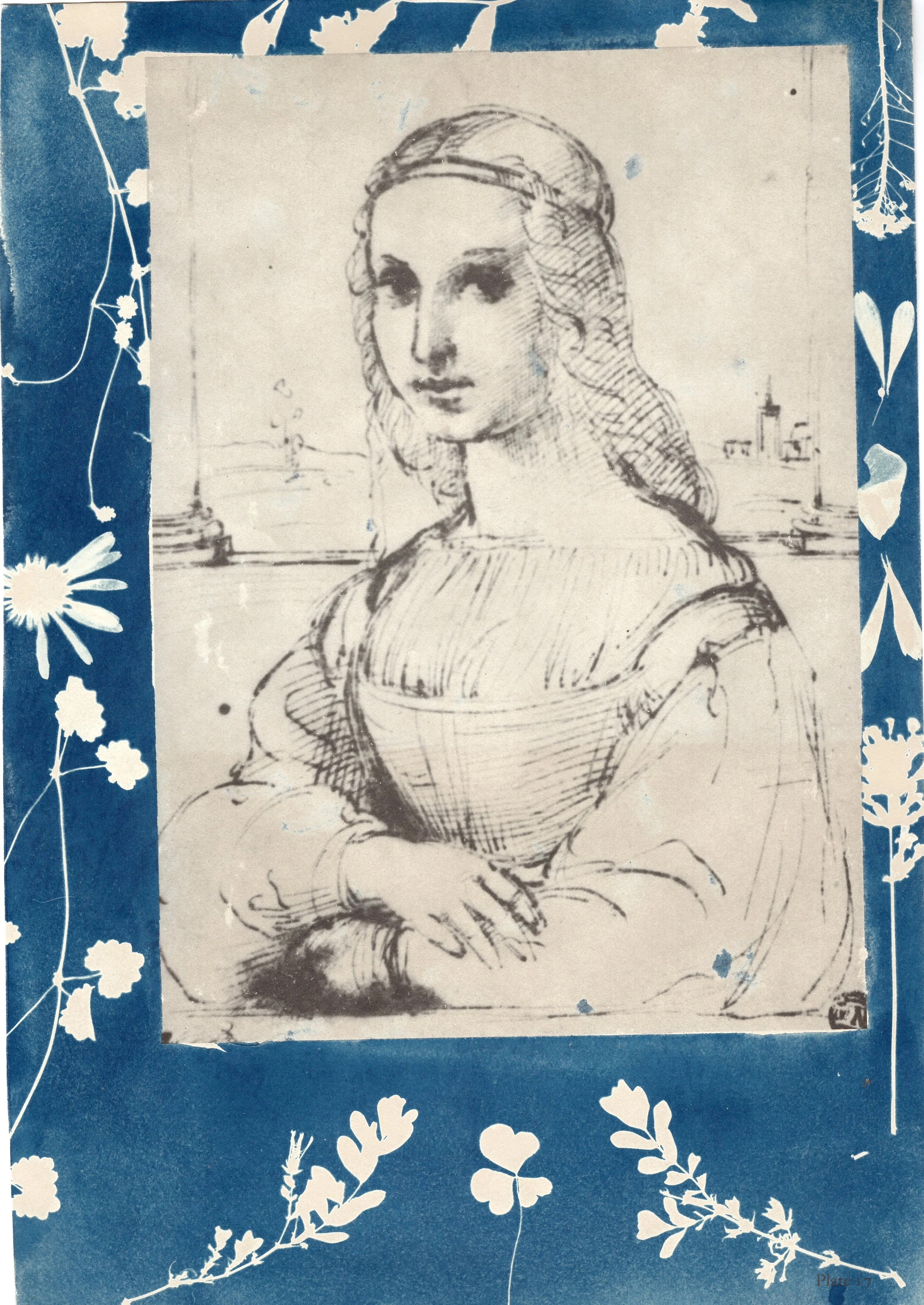
Cyanotype is a photographic process that uses sunlight to create beautiful, enduring blue prints. It’s a technique with a rich history and one that continues to inspire new ways of making art today. Here’s a look at where it began, how it works, and how I use it in my creative practice
A Brief History of Cyanotype
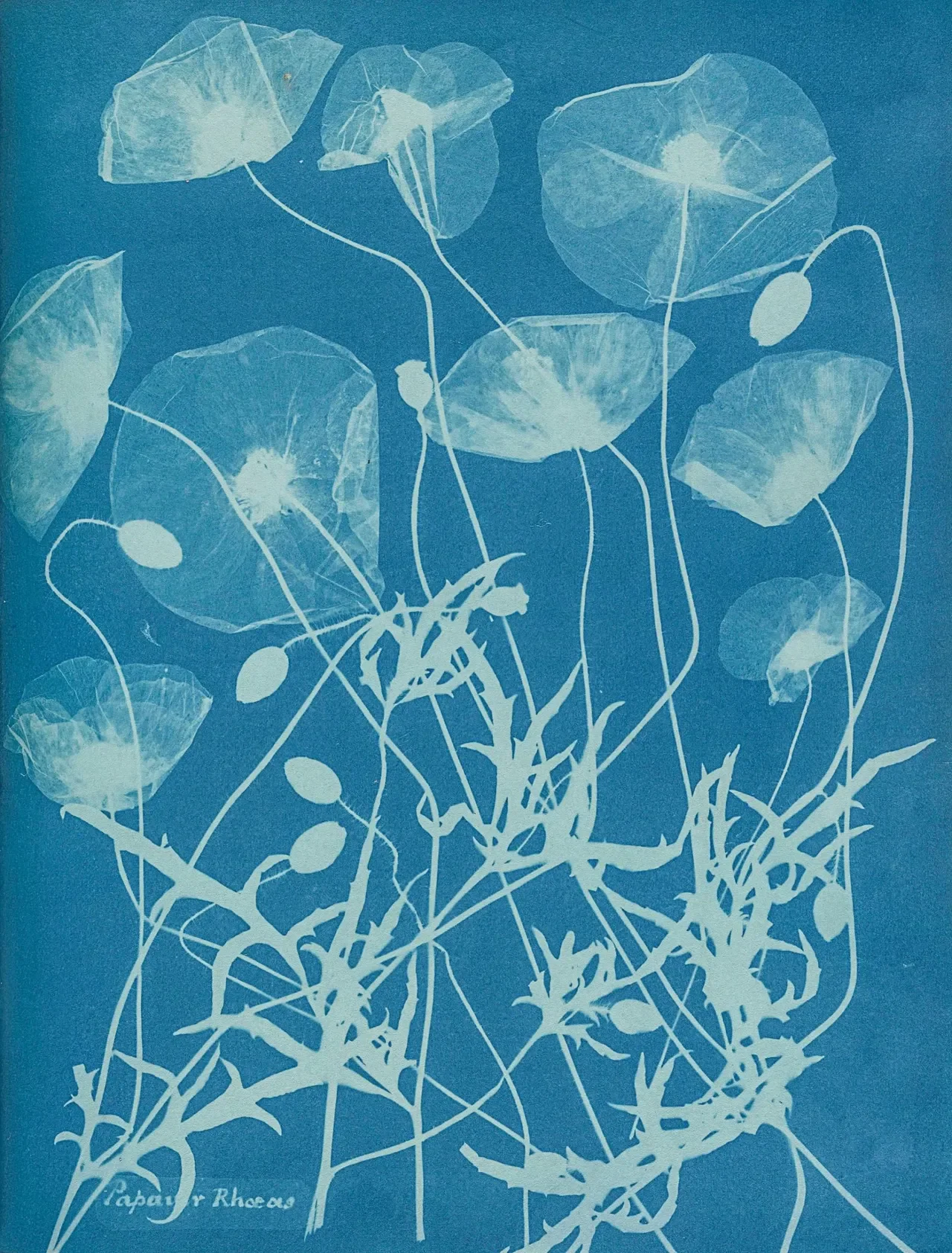
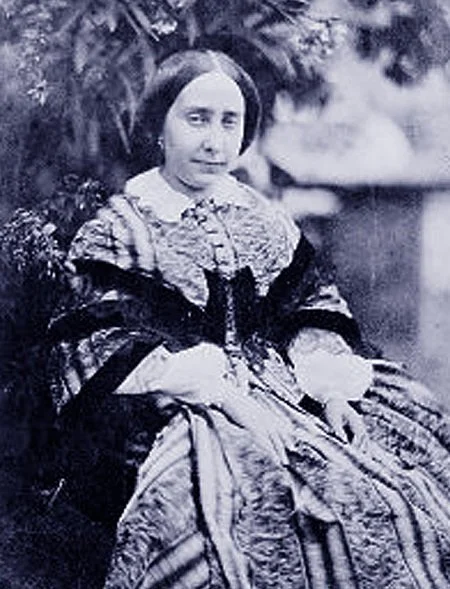
Invented in 1842 by Sir John Herschel, cyanotype is one of the earliest photographic printing processes. Botanist Anna Atkins famously used it to document algae, creating some of the earliest books illustrated with photographs.
The process later became widely used for architectural and engineering blueprints, giving us the word we still use today.
How the Cyanotype Process Works
Cyanotype is a simple process with beautiful results. In combines a light-sensitive solution, ultraviolet light (such as sunlight or a UV lamp) and water to create a permanent Prussian blue image.